Keep conversations across sessions by adding AgentCore memory and OpenClaw
AWS shows how to give assistants persistent, taggable memory using OpenClaw on the AgentCore runtime, so teams can stop re-entering context and prototype a week-long proof of concept.
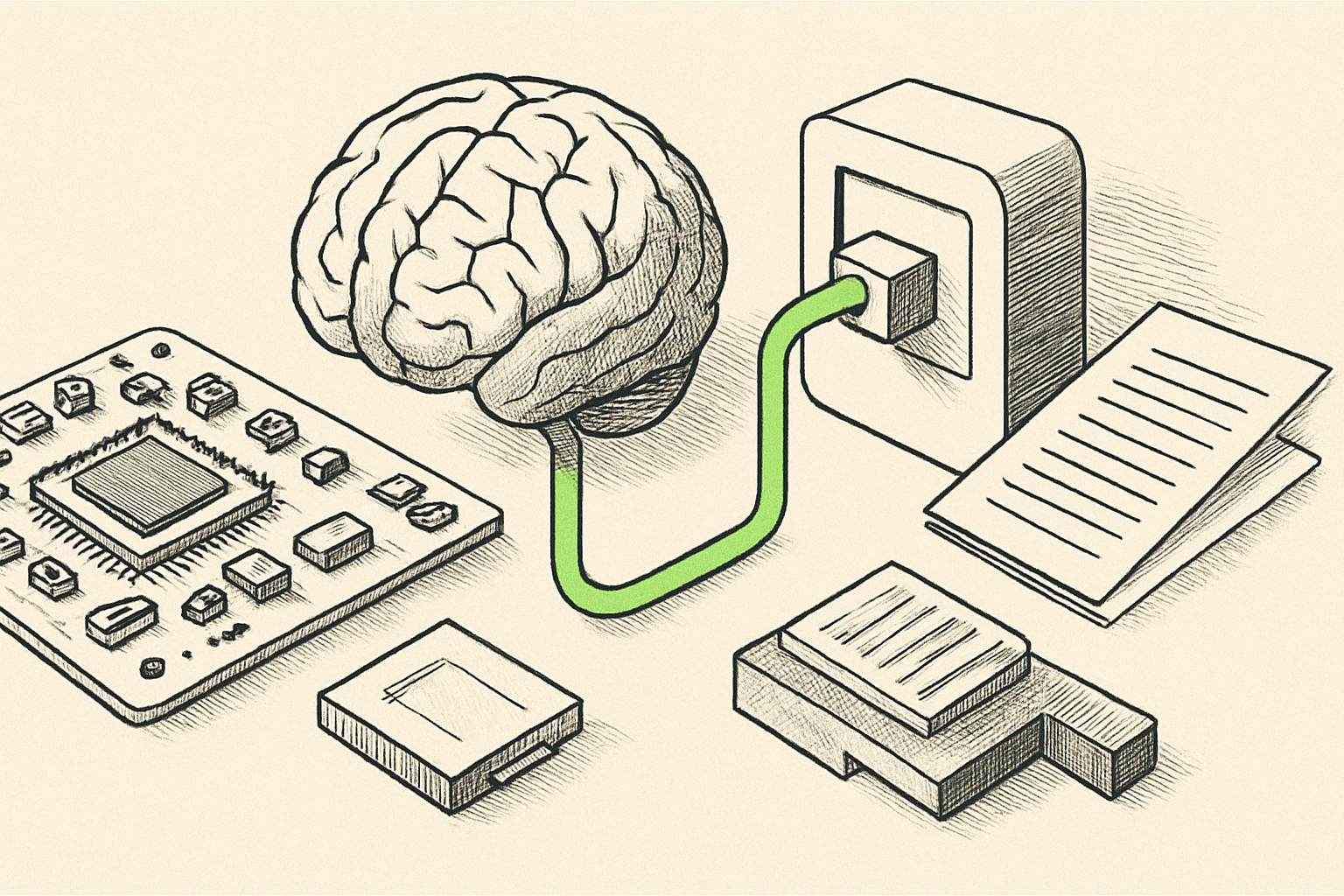
AI generated — machine-made illustration, not a photograph of the event.
Adding an AgentCore memory layer with OpenClaw shifts effort from repeated explanation by users to a short engineering prototype; expect developer time and operational attention rather than model retraining.
What actually changed
The AWS Machine Learning Blog demonstrates using OpenClaw, an open-source agentic system, running on the AgentCore runtime (a capability of Amazon Bedrock AgentCore) to create assistants that keep context across sessions. The key piece is "AgentCore memory" that turns disposable chats into durable knowledge and lets you tag those memories with structured metadata so retrieval matches the question.
The post uses a gardening assistant called Sprout as a running example but describes an architecture that is not specific to gardening: the same pipeline can be used for support bots, fitness coaches or internal help desks.
Who it affects
- Small product teams and agencies building conversational assistants who want continuity between chats.
- Support and operations managers who deal with repeated context re-entry from customers or employees.
- Engineers and technical leads responsible for integrating agent runtimes with persistent storage and metadata-driven retrieval.
If you currently rely on stateless, session-only assistants, this approach changes where you invest time: from prompt design and repeated context injection to engineering a memory layer and metadata schema.
What it costs or what it replaces
What it replaces: the pattern of starting every conversation from zero and forcing users to repeat context. The memory layer stores relevant facts so later queries can retrieve them by tag and relevance rather than re-parsing the entire chat history each time.
What it costs: the announcement does not state pricing. It implies extra engineering and operational work to run AgentCore runtime on Bedrock and to manage the open-source OpenClaw components and stored memories, but exact resource or licensing costs are not provided in the post.
What we don't know
- Where the OpenClaw source and example code live (the blog says OpenClaw is open source but does not link to a repo in the supplied excerpt).
- Exact steps or API calls to enable or configure AgentCore runtime on Amazon Bedrock for your account.
- Pricing or billing implications for running AgentCore runtime and storing tagged memories.
- Data retention, access controls and privacy features for stored memories.
- Performance and scaling limits for memory retrieval under production load.
What to do next
- Read the full AWS blog post linked above and follow any links there to the OpenClaw project and AgentCore documentation; gather the example artefacts used for the Sprout demo so you have a concrete reference.
- Sketch a one-week prototype: pick a narrow persona (support FAQ or a simple coaching flow), define 10–20 memory types you want to store, and draft a metadata schema for those memories (fields you will tag for retrieval).
- Allocate developer time to wire the pieces together in a test environment: enable AgentCore runtime in your Bedrock account per the Bedrock docs, run OpenClaw locally or in a dev environment, implement a small storage layer for tagged memories, and run manual conversations to validate retrieval and relevance.
- AWS Machine Learning Blog — original reporting
Links above go to the original publisher. Signalcraft states the consequence; it does not reproduce their text.