 About Anthropic API
OpenAI scales storage, delivering 12× faster ChatGPT reads
OpenAI reworked Habitat with global caching and Azure Cosmos DB to speed reads; Uber deploys ChatGPT Work to 30,000+ staff. NASA, inDrive, Rescale and Anthropic move on agents and missions.
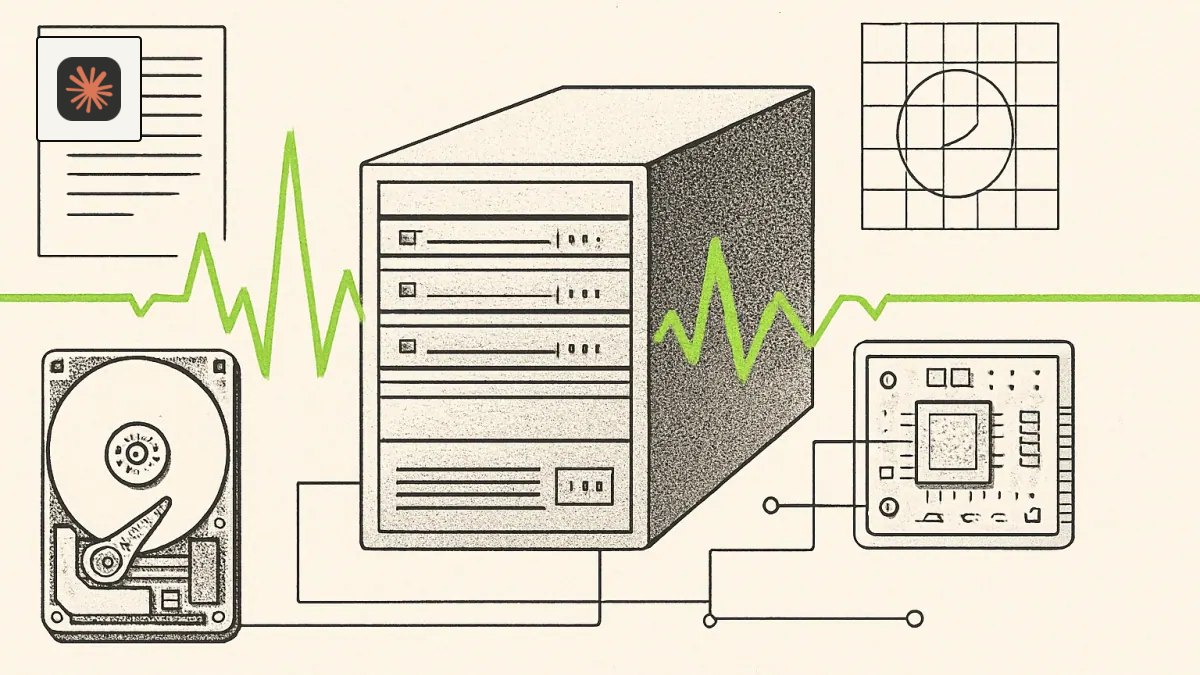
AI generated — machine-made illustration, not a photograph of the event.
Faster ChatGPT reads and enterprise rollouts cut time per task, but they also shift procurement, security and integration work onto small teams.
OpenAI: storage rework cuts read latency
OpenAI rebuilt its Habitat storage layer with reliable multi-tenancy, global caching and Azure Cosmos DB to serve over 1 billion ChatGPT users and deliver "12× faster reads". The change is an infrastructure-level optimisation rather than a new product feature.
Why it matters: Lower read latency reduces wait time for user-facing automations and can shrink error rates in time‑sensitive workflows; teams that run apps against ChatGPT should retest performance and quotas under the new behaviour.
Uber: ChatGPT Work rolled out to 30,000+ employees
Uber is deploying ChatGPT Work across more than 30,000 employees to assist with research, data analysis, presentation creation and complex workflows. The rollout is organisation-wide rather than a pilot.
Why it matters: Broad internal adoption transfers decision points about data handling, seat licences and security controls to procurement and IT; expect contract review, single‑sign‑on and data‑residency checks to consume time and budget.
NASA updates Artemis lander architecture; Orion docks earlier
NASA revised its lunar mission architecture so Orion will dock with SpaceX's Starship in high‑Earth orbit before travelling to the Moon. Blue Origin’s plan in the update calls for four New Glenn launches, no spacecraft‑to‑spacecraft refuelling, and a possible Blue Moon rendezvous in low‑Lunar orbit.
Why it matters: Programmatic schedule and vehicle changes shift launch, integration and supplier risk for contractors and partners; firms bidding on lunar hardware or services must reassess timelines and interface requirements.
inDrive plans 2027 robotaxi tests in Kazakhstan with Pony.ai and Nvidia
inDrive intends to start testing Pony.ai robotaxis in Kazakhstan’s capital in the first half of 2027, in collaboration with Pony.ai and Nvidia. The effort targets public robotaxi trials rather than immediate commercial rollout.
Why it matters: Operators considering autonomous fleets should watch regulatory approvals and local partnerships; pilot tests in Central Asia could influence procurement, training and insurance costs if they scale to new regions.
Rescale built an AI triage agent with AWS Strands Agents and AI‑DLC
Rescale used Strands Agents and AI‑DLC on AWS to build an AI triage agent that classifies nightly test failures, routes issues and reduces repetitive on‑call work. The post frames the agent as a tool to let engineers focus on architecture and product judgment.
Why it matters: Small engineering teams can cut mean time to awareness for test failures but must budget for agent orchestration, review gates and human approval flows; this shifts some labour from routine diagnosis to integration and oversight.
Anthropic launches Claude Duet app to Pro and Max users via waitlist
Anthropic released Claude Duet, an app focused on agent workflows, and is offering access through a waitlist for Pro and Max plan users. The launch targets paid tiers rather than immediate, general availability.
Why it matters: If your team uses agent workflows, expect a gating period before full access and plan pilots on Pro/Max seats; evaluate security and audit controls before moving production tasks onto the new app.
What we don't know
- Whether OpenAI’s storage changes alter pricing or quota limits for API customers.
- Details of Uber’s vendor agreements, data residency or security controls with ChatGPT Work.
- How the NASA schedule changes affect contract award dates and mission launch windows.
- The regulatory approvals and scale targets for inDrive’s Kazakhstan robotaxi tests.
- Operational cost, deployment complexity and licensing terms for Rescale’s triage agent implementation.
- Timing and pricing for general availability of Claude Duet beyond the Pro/Max waitlist.
What to do next
- If you rely on ChatGPT for customer‑facing services, run latency and quota tests this quarter and log any behaviour changes for procurement discussions.
- For teams adopting enterprise AI like ChatGPT Work or Claude Duet, open a short security and contract checklist (SSO, data residency, audit logs) and queue it with procurement before expanding seats.
- If your product road map touches robotics or lunar services, brief procurement and legal on the NASA and inDrive updates so bids and insurance models reflect changed interfaces and regulatory risk.
- OpenAI News — original reporting
- OpenAI News — original reporting
- Ars Technica — original reporting
- TechCrunch AI — original reporting
- AWS Machine Learning Blog — original reporting
- TechCrunch AI — original reporting
Links above go to the original publisher. Signalcraft states the consequence; it does not reproduce their text.
0 comments
No comments yet. If you have run any of this, that is the most useful thing you could add.